How to Remove Algae and Mold from House Siding in Delaware
If you've noticed dark streaks, green patches, or fuzzy growth on your home's siding, you're not alone. Sussex County's coastal climate — with its high humidity, salt air, and warm summers — creates near-perfect conditions for algae, mold, and mildew to thrive on exterior surfaces. Here's what's causing it, why it matters, and how to get rid of it for good.
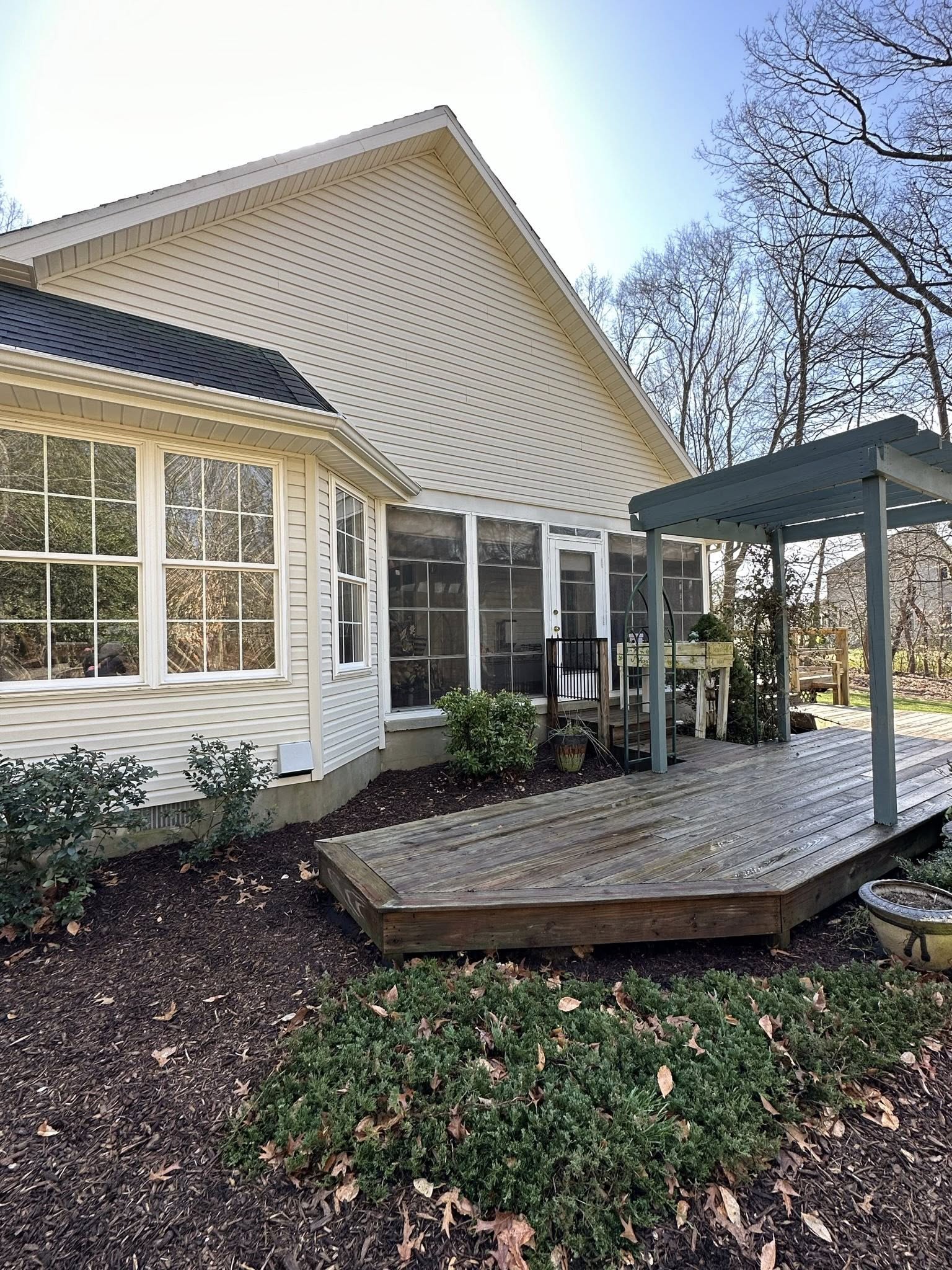
What Are Those Black Streaks on My Siding?
The dark vertical streaks you see on vinyl siding are almost always Gloeocapsa magma — a type of blue-green algae that feeds on the limestone filler used in many roofing and siding materials. As it grows, it produces a dark pigmented sheath to protect itself from UV radiation, creating those characteristic black streaks.
Green patches are typically algae or moss, while fuzzy gray or white growth is usually mildew. All three are organic growths that can be removed with the right cleaning approach.
Why Delaware Homes Are Especially Vulnerable
Several factors make Sussex County homes particularly prone to algae and mold growth:
Coastal humidity
Proximity to the Atlantic Ocean and Delaware Bay keeps humidity levels consistently high, creating the moist environment that algae and mold need to thrive.
Salt air
Salt particles from ocean breezes deposit on siding surfaces and act as a nutrient source for algae and mold growth.
Tree shade
Shaded areas of siding stay damp longer after rain, accelerating organic growth on north-facing and tree-shaded walls.
Warm summers
Delaware's warm, humid summers from June through September create peak growing conditions for algae and mildew.
Why You Shouldn't Ignore It
Beyond the obvious curb appeal issue, algae and mold on your siding can cause real damage if left untreated:
Structural damage
Mold and mildew can work their way into cracks and seams, eventually penetrating behind siding and into the wall structure.
Paint and finish degradation
Algae produces acids that break down paint and protective coatings, causing premature peeling and fading.
Health concerns
Mold spores near windows and doors can enter your home, potentially affecting air quality and triggering allergies.
Reduced home value
Visibly dirty or stained siding significantly reduces curb appeal and can lower your home's appraised value.
The Right Way to Remove Algae from Siding
The most effective and safest method for removing algae and mold from vinyl, stucco, or painted wood siding is soft washing — low-pressure water combined with professional-grade cleaning solutions. Here's why it works better than pressure washing alone:
Soft Wash Process for Siding
- 1Pre-treat the surface with a biodegradable surfactant to loosen dirt and organic growth
- 2Apply a diluted sodium hypochlorite (bleach-based) solution that kills algae, mold, and mildew at the root
- 3Allow the solution to dwell for 5–10 minutes so it penetrates and kills all organic growth
- 4Rinse thoroughly with low-pressure water (under 500 PSI) to remove all residue
- 5Inspect and spot-treat any remaining problem areas
Can I Remove Algae Myself?
DIY algae removal is possible for small areas, but there are significant risks and limitations:
- Consumer-grade pressure washers often lack the right PSI range — too high damages siding, too low doesn't clean effectively
- Bleach solutions without proper surfactants evaporate too quickly to kill algae roots
- Working at height on ladders with wet, slippery surfaces is a significant safety risk
- Improper technique can force water behind siding, causing hidden moisture damage and mold inside walls
For large areas, second-story siding, or recurring growth, professional soft washing delivers better results, lasts longer, and is safer than DIY approaches.
How Long Do Results Last?
Professional soft washing typically keeps siding clean for 2 to 4 years in Sussex County's climate, compared to 6–12 months for pressure washing alone. The difference is that soft washing kills the algae and mold at the cellular level, while pressure washing just removes the visible growth without treating the underlying cause. Most of our Long Neck, Millsboro, and Rehoboth Beach customers schedule a professional cleaning every 2 years to keep their homes looking their best.
Get Algae-Free Siding This Season
Professional soft washing for Sussex County homes. Get an instant quote in under 60 seconds.